
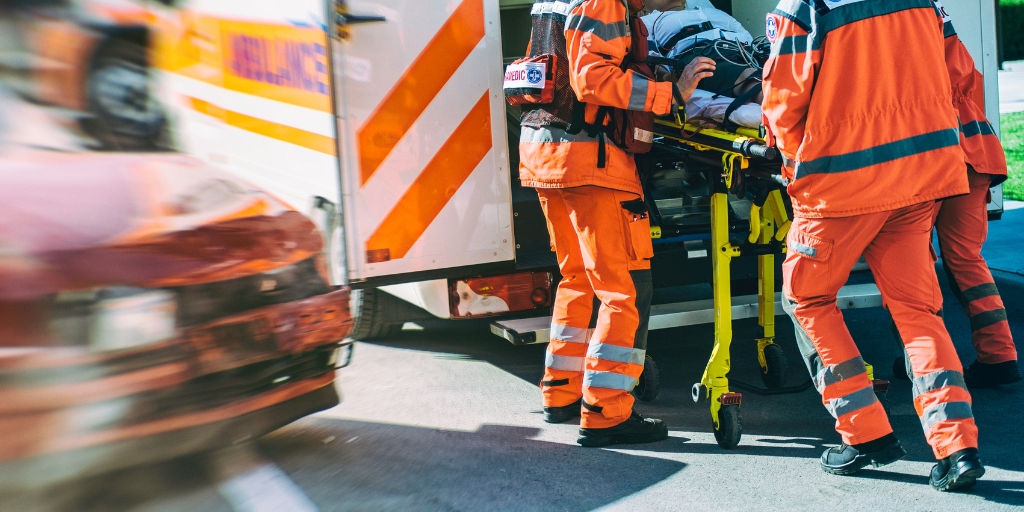
- Duration: 3 days
Categories: Short Courses
Course Overview:
The Prehospital Trauma Life Support (PHTLS) Course is designed to equip prehospital care providers with advanced skills and knowledge for managing trauma patients in emergency situations. This course focuses on the principles of trauma care in prehospital environments, emphasizing rapid assessment, stabilization, and transport of trauma patients. Participants will gain expertise in applying advanced trauma care techniques and protocols to improve patient outcomes before they reach the hospital.
Who Should Attend:
- Emergency medical technicians (EMTs) and paramedics
- First responders and rescue personnel
- Healthcare professionals involved in prehospital care
- Individuals seeking to enhance their skills in managing trauma patients in the field
Course Objectives:
By the end of the course, participants will:
- Perform comprehensive trauma assessments, including primary and secondary surveys, in a prehospital setting.
- Apply advanced trauma care techniques, including airway management, hemorrhage control, and immobilization.
- Utilize PHTLS protocols and guidelines to manage various types of trauma, including head, chest, abdominal, and orthopedic injuries.
- Effectively communicate with medical teams and coordinate patient care during transport.
- Understand and implement strategies for trauma patient triage and prioritization.
Key Topics Covered:
- Trauma Assessment and Prioritization: Conducting rapid primary and secondary assessments to identify and prioritize life-threatening conditions.
- Advanced Airway Management: Techniques for managing and securing the airway, including intubation and advanced ventilation methods in the prehospital
- Hemorrhage Control: Methods for controlling severe bleeding, including the use of tourniquets, hemostatic dressings, and fluid resuscitation.
- Trauma Management Protocols: Applying PHTLS protocols for various traumatic injuries, including head trauma, chest trauma, abdominal trauma, and extremity
- Patient Stabilization and Transport: Techniques for stabilizing trauma patients and preparing them for safe transport to medical
- Communication and Teamwork: Effective communication with other healthcare professionals, emergency responders, and medical teams during patient care and
- Triage and Decision Making: Strategies for triaging trauma patients and making critical decisions in high-pressure situations.
Cost: KSH 40,000