
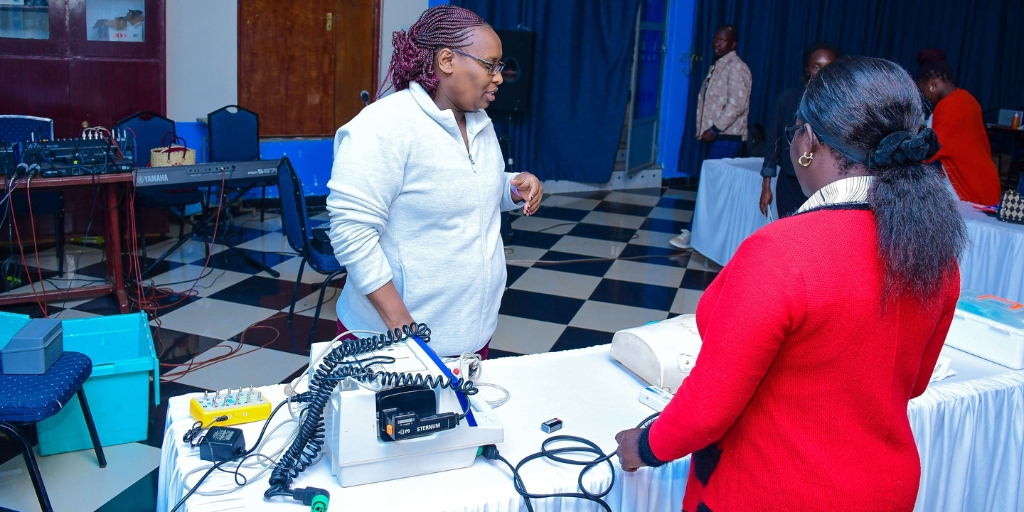
- Duration: 104 weeks
Course Overview:
The Diploma in Perioperative Theatre Technology is a comprehensive program designed to train individuals in the advanced skills required to assist surgeons, anesthetists, and nurses in operating theatres. This course provides a thorough understanding of surgical procedures, operating room technology, infection control, patient care, and teamwork during the preoperative, intraoperative, and postoperative phases of surgery. Graduates of this diploma program will be well-prepared to work as qualified perioperative theatre technologists in hospitals and surgical centers, playing a crucial role in ensuring the safety and efficiency of surgical procedures.
Who Should Attend:
- Individuals aspiring to build a career in the field of perioperative technology.
- Healthcare professionals seeking specialized training in surgical assistance and operating room management.
- Recent graduates from healthcare-related fields aiming to pursue roles in the perioperative environment.
- Professionals working in healthcare settings looking to enhance their knowledge and skills in surgical technology.
Course Objectives:
By the end of the course, participants will:
- Gain proficiency in the management of surgical instruments and equipment for a variety of surgical procedures.
- Be able to create and maintain a sterile operating room environment, ensuring adherence to infection control protocols.
- Develop expertise in patient care and preparation throughout all stages of surgery. Assist with anesthesia preparation, patient monitoring, and intraoperative support.
- Understand perioperative safety protocols, including emergency procedures and surgical risk management.
Key Topics Covered:
- Fundamentals of Perioperative Care:
- Role and responsibilities of the perioperative theatre technologist.
- The perioperative care phases: preoperative, intraoperative, and postoperative patient management.
- Operating Room Environment and Sterilization Techniques:
- Setting up and maintaining a sterile surgical environment.
- Procedures for sterilizing surgical instruments and equipment.
- Infection control practices and standards to ensure patient safety.
- Surgical Instruments and Equipment:
- Comprehensive knowledge of surgical instruments, devices, and equipment used in general and specialized surgeries.
- Proper handling, setup, and care of surgical tools.
- Patient Care and Positioning:
- Preparing patients for surgery, including proper positioning, draping, and preoperative assessments.
- Ensuring patient safety and comfort during surgical procedures.